


Find out how a fruit fly outbreak will affect your business, and the steps you can take to follow restrictions while growing, moving and selling fruit and vegetables.

Growers and producers
Learn about harvesting, storage, treating and moving produce to ensure market access.
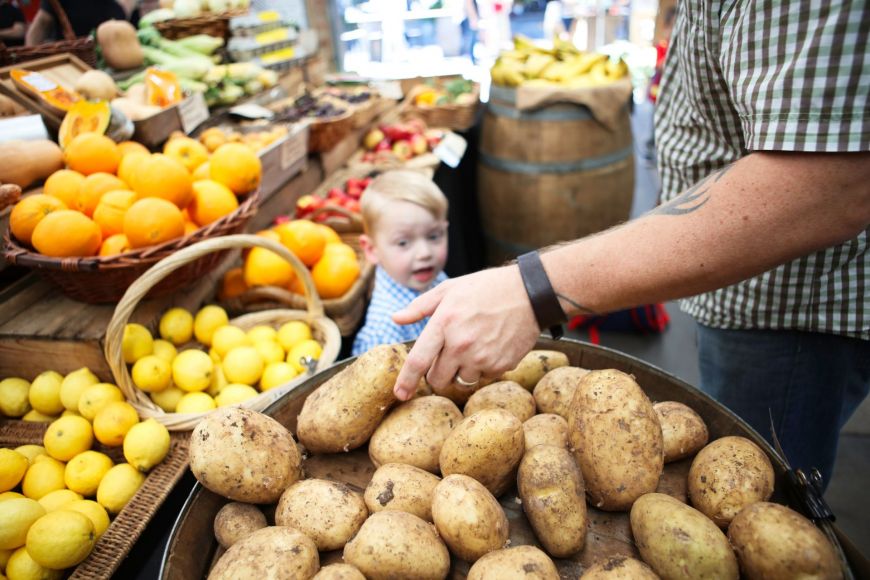
Retailers and wholesalers
Retailers and wholesalers must understand and follow outbreak restrictions and conditions for any restricted fruit and vegetables that they sell or supply.
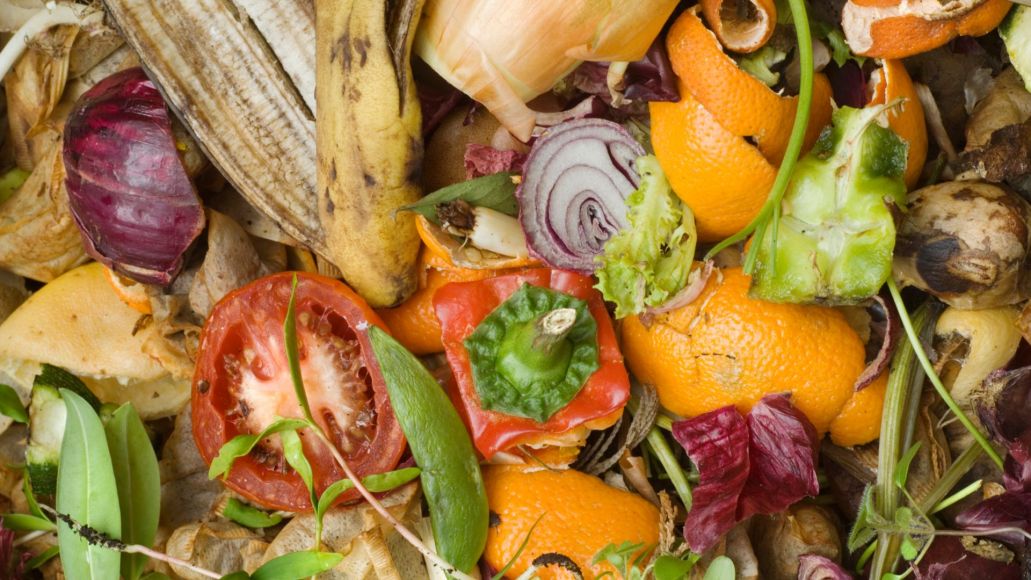
Disposing of fruit and vegetable waste
Learn about how to dispose of waste to help prevent fruit fly.
Watch this video to understand steps producers, wholesalers, packers and retailers can take to help prevent the spread of fruit fly.
The Department of Primary Industries and Regions is responding to fruit fly outbreaks across metropolitan Adelaide.
Fruit fly is a devastating plant pest that threatens our fruit fly vulnerable horticulture industry.
We all need to play our part to keep SA fruit fly free.
Once a fruit fly outbreak is declared, a 1.5 kilometre outbreak area and a suspension area is established around the detection site and an eradication program begins.
This involves applying an organic bait to trees and other foliage within the 1.5 kilometre affected area, picking up fruit from the ground, and checking fruit for maggots.
As a wholesaler, provider, retailer, grocer, market stall holder, or packer, you also have a key role to play.
By playing your part, you can help stop fruit fly from spreading and also make sure that the national protocols which allow trade to continue are maintained.
It's important to know which fruit or fruiting vegetables fruit fly like to lay their eggs in as our measures only relate to this produce.
More than 200 types of fruit and vegetables can be susceptible to fruit fly.
Examples include: stone fruits such as apricots, peaches, nectarines, plums, and cherries; citrus such as oranges, lemons, limes, grapefruit, and kumquats; fruiting vegetables including tomatoes, capsicum, chillies, eggplant, and tamarillo; home fruits such as apples, pears, and quinces; flowering plants such as loquats, figs, and feijoas; and tropical fruits such as bananas, avocados, and mangoes.
Some examples of produce that are not susceptible to fruit fly include: leafy greens like lettuce, spinach, and kale; brassica crops like cauliflower, cabbages, and broccoli; onions, carrots and potatoes, and watermelons and pumpkins.
If the SA produce markets fall within a fruit fly outbreak area, and you buy or sell host material at the market, there are measures you must take to reduce the risk of fruit fly spreading.
This includes using fly-proof packaging such as netting, plastic wrap, plastic bags, or cardboard boxes which have no holes larger than 1.6 millimetres, or keeping host produce inside a building with closed doors, rapid lift doors, curtains, or behind fly mesh, or keeping host produce cool in an environment less than 13 degrees for Mediterranean fruit fly or 16 degrees for Queensland fruit fly.
Any waste must be placed in an organic waste bin, not the general waste bin.
If sending produce to fruit fly sensitive markets, please contact the Department of Primary Industries and Regions for advice.
If you're a retailer purchasing produce at the SA produce markets, you also need to follow similar advice to make sure that produce isn't exposed to fruit fly.
This includes using fly-proof packaging such as netting, plastic wrap, plastic bags, or cardboard boxes which have no holes larger than 1.6 millimetres, or keeping produce sealed and secured during transport.
When leaving the markets and travelling through the outbreak and suspension areas, produce must remain secure
If you are a grocer or retailer operating in a fruit fly affected area, you need to take special measures.
If you are located within a 1.5 kilometre outbreak area, you need to: display your fruit and vegetables indoors or use fly proof packaging such as netting, plastic wrap, cardboard boxes, or plastic bags with holes no larger than 1.6 millimetres; not sell homegrown fruit and vegetables sourced from within any metropolitan 1.5 kilometre outbreak area; dispose of food waste using a green organic waste bin.
We have arrangements with councils to manage green waste.
If there are issues with managing waste, contact PIRSA to discuss approved disposal options.
If you are a farmers’ market stall holder within a 1.5 kilometre outbreak area, you must keep your fruit fly host produce covered at all times to protect it from fruit fly.
This includes when you are entering, selling, and leaving the market.
Ways you could do this include: cardboard boxes sealed with tape, no holes; or plastic bags tied and sealed with no holes larger than 1.6 millimetres; or cling wrapped trays.
Note: if the market is within the suspension area and the produce has not been protected at all times, the produce cannot leave the suspension area either by stall holders or consumers.
If you're a packer in an outbreak or suspension area, you need to ensure that fruit fly host produce is kept secure while in the packing shed.
If this isn't possible, it must be treated after packing under an accepted treatment option and certified before moving within the outbreak area or out of the suspension area.
Our growers depend on you to keep South Australia fruit fly free.
Remember: if you notice anything unusual in your produce, please seal it in an airtight container and immediately contact the fruit fly hotline on 1300 666 010.
By following this advice, you're playing a key part in the fight against fruit fly.