


Aerial release of sterile fruit flies begins over Adelaide
Tuesday 12 August 2025
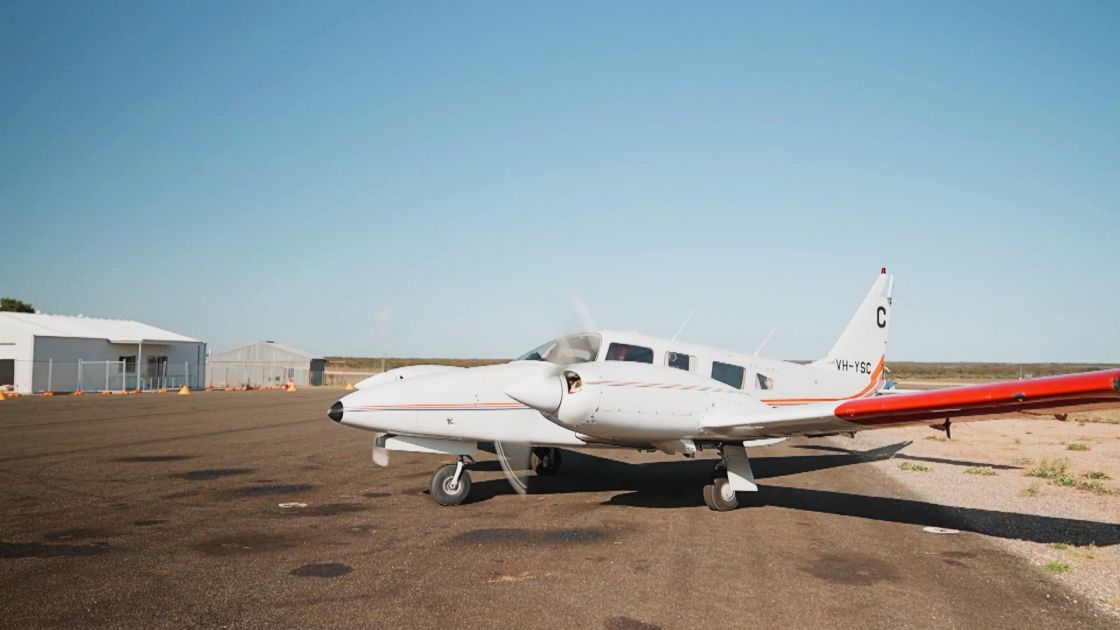
Starting Saturday 9 August 2025, you might notice small planes flying low over parts of Adelaide’s north, east and western suburbs. They’re not spraying, surveying, or fighting fires — they’re dropping sterile fruit flies. Millions of them.
It’s part of a 12-week program to control fruit fly outbreaks in suburbs like Salisbury North and Glynde. The flies being released aren’t dangerous; they’ve actually been bred and sterilised in a lab, so they can’t reproduce.
This method, called Sterile Insect Technique (SIT), is already being used in the Riverland. It works by flooding outbreak areas with sterile flies that mate with wild ones — but produce no young. Over time, the wild population drops, without needing extra sprays.
“Most people won’t notice much beyond a plane or two flying overhead,” said Mark Drew, Acting Incident Controller from PIRSA’s Fruit Fly Response Program. “But behind the scenes, this quiet operation does a lot of heavy lifting.”
Each Saturday morning, around 6.5 million sterile flies will be released from two small aircraft: a twin-prop Piper Seneca 3 and a Cessna 207 Skywagon. The planes fly low to make sure the flies are spread evenly across the area.
“These flies aren’t harmful. They don’t bite, they don’t sting — they just help stop outbreaks from getting worse,” said SIT Program Manager John Trappel.
While it might sound unusual, this method has proven effective and helps protect backyard trees, commercial crops, and South Australia’s fruit trade.
“This program is a key part of how we protect crops, jobs and exports,” said Jason Size, General Manager of the program. “Seeing or hearing the planes means the program is working as planned.”
How can the community help?
This aerial release is just one part of the wider fruit fly response program. Residents can play a key role by helping to keep their gardens fruit fly free. This includes:
- Picking ripe fruit and fruiting vegetables as soon as they’re ready
- Collecting any fallen fruit from the ground
- Checking for signs of fruit fly, such as sting marks, bruises, blemishes or maggots inside fruit.
- Calling the Fruit Fly Hotline on 1300 666 010 if you suspect fruit fly in your garden.
More information
- Learn how Sterile insect technique (SIT) works
- Check to see if you live in a fruit fly outbreak zone Fruit fly outbreak map of South Australia
- Learn how to Find and report fruit fly
- Fruit fly life cycle