


Fruit Fly Officer visits to gardens in a red outbreak area
Our Fruit Fly Officers are working across outbreak areas to help stop the spread of fruit fly in South Australia.
What to expect if you're in a red outbreak area
If you live in a red outbreak area, we will usually visit your property once or twice a week during the first 12 weeks after an outbreak is declared. Visits may continue after that if fruit fly is still detected in your neighbourhood.
If you are in a current outbreak area, we will regularly visit your property to:
- check your fruit and vegetables for fruit fly
- apply safe organic bait or traps
- collect and dispose of fallen fruit and vegetables from residential properties.
Some teams carry out short-term inspections, while others are involved in ongoing treatment and monitoring. This means you may notice visits happening close together or further apart, depending on what’s required in your area.
Who are Fruit Fly Officers?
Fruit Fly Officers are trained staff working for the Department of Primary Industries and Regions (PIRSA) in the Biosecurity SA team.
During our visits we will:
- knock on your door to talk with you about what is needed in your garden, based on what is at risk of fruit fly.
- inspect your garden for signs of fruit fly activity
- record the types of fruit and vegetables you are growing
- carry official photo identification and wear PIRSA uniforms.
In the Riverland, we wear PIRSA-branded yellow high-vis vest, beige shirt and navy trousers. In other outbreak areas, we may wear orange overalls.
You may notice Fruit Fly Officers leaving their vehicles running while working onsite. This is because some organic bait mixtures carried in the back of Utes need to be continuously mixed to ensure they work effectively.
Please allow easy access to your front and back gardens so we can do our work quickly. If you have dogs, please keep them restrained.
If you have any questions, our friendly staff will do their best to assist during your visit. If you require further information, you can also contact the Fruit Fly Hotline on 1300 666 010.


How often do we visit?
We don’t publish a visit schedule online, as timing depends on local detection and treatment needs. Every visit is part of a coordinated state-wide effort to protect our fruit-growing regions.
You don’t need to be home for a visit, but we will knock and leave information if you're not available. If you have questions or want to discuss access to your property, please contact the Fruit Fly Hotline on 1300 666 010.
Removing at-risk fruit and vegetables
Fruit Fly Officers will collect and safely dispose of fallen or overripe fruit and vegetables in your garden that are at risk of fruit fly infestation. If we find fruit fly maggots, we collect all fruit from the affected tree or plant to stop the spread. If you have fruit trees in your yard, officers will visit weekly during the outbreak period to inspect for signs of fruit fly.
How officers use mobile technology in the field
You may sometimes notice Fruit Fly Officers sitting in parked vehicles or using mobile devices between property visits. This is a normal part of their work.
Officers may use mobile technology to:
- call ahead before visiting a property
- record inspection and treatment information
- update outbreak mapping and monitoring systems
- receive directions and daily job updates
- coordinate with other response teams in the area
- complete safety, hazards and biosecurity reporting.
Because officers move between many properties throughout the day, vehicles are often used as temporary mobile workspaces while information is logged in real time. This helps ensure treatments, inspections and detections are accurately recorded as part of the statewide fruit fly response. At other times, staff may be on their required break, and depending on their location or weather, may have no alternative but to sit in the car.


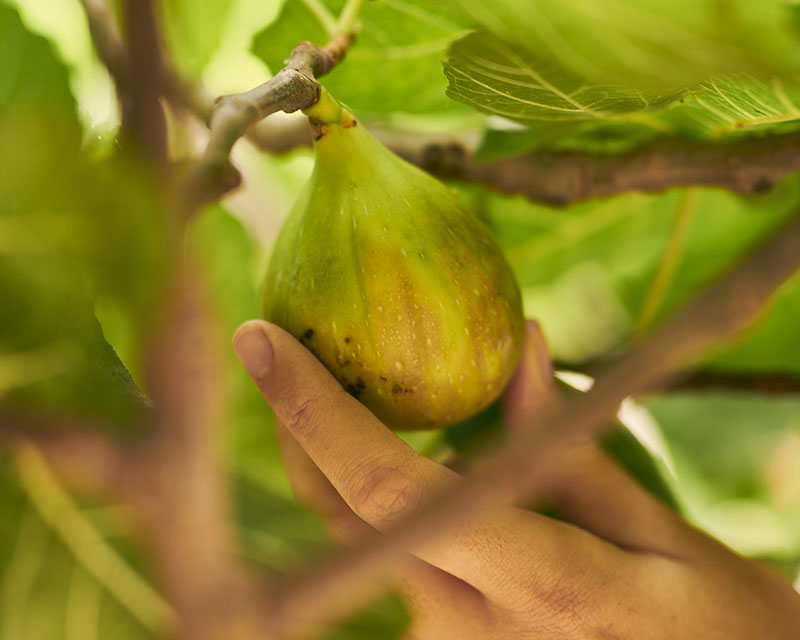
Follow a few simple steps to protect your home-grown fruit and vegetables from fruit fly.
Find out more