Sterile insect technique (SIT)
Sterile insect technique (SIT) involves introducing sterile insects to help control wild insect populations. This is being used in Riverland outbreak areas to reduce the wild Queensland fruit fly (Qfly) numbers.
In the past, managing Qfly has relied heavily on insecticides – sterile fruit flies are a more sustainable solution for Australia.
SIT release schedule
Elizabeth East road release
- The 12-week SIT release program runs from Monday 7 September to Friday 27 November 2026.
- Each week, a PIRSA-branded utility vehicle (ute) drives along fixed routes, releasing SIT flies from a chute attached to a customised container on back.
- The ute operates 8am – 4pm, Monday to Friday (weather permitting). The driver and operator carry PIRSA-issued identification.
You may notice more fruit flies in the area. As they are sterile, they cannot successfully breed, so more flies do not indicate a new outbreak.
Riverland release
SIT flies will be released over the following areas:
Bookpurnong, Crescent, Chaffey, Cooltong, Lyrup, Renmark (all areas)
- Weekly from 7 September 2026 to 23 October 2026
- Fortnightly from 2 November to 31 December 2026
Barmera, Berri, Glossop, Gurra Gurra, Loveday, Monash, Winkie
- Fortnightly from 26 October 2026 to 31 December 2026
The schedules are subject to change. Please check back for the latest updates.
How SIT works
How sterile insect technology (SIT) works
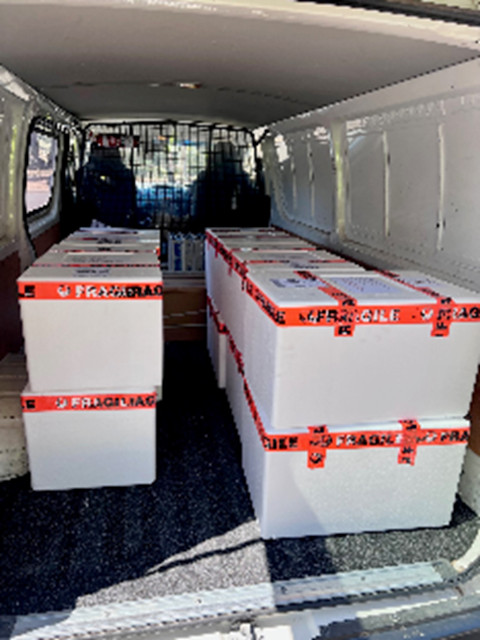
Sterile fruit flies are transported and released into an outbreak area, where they outnumber the wild Qfly population.
Flies actively search for a mate, and the SIT flies reduce the chances for wild Qflies to find and mate with each other. This interrupts the breeding cycle as the SIT flies don't produce fertile young – learn about the fruit fly life cycle and conditions that allow fruit flies to mate.
The SIT effect is similar to going to a football field to meet a friend: if no one else is around, you may find your friend easily, but if thousands of people are around, it's unlikely that you’d find each other.
SIT is more successful when the wild fruit fly population numbers are low. It is used to 'mop up' after the wild fruit fly population has been reduced through targeted methods like bait, ground treatments, and cover sprays. SIT isn't the single solution to an outbreak.
South Australia has protocols with national and international trading partners, which prohibit SIT flies being used in the Riverland Pest-Free Area after an outbreak has ended.
Releasing sterile flies
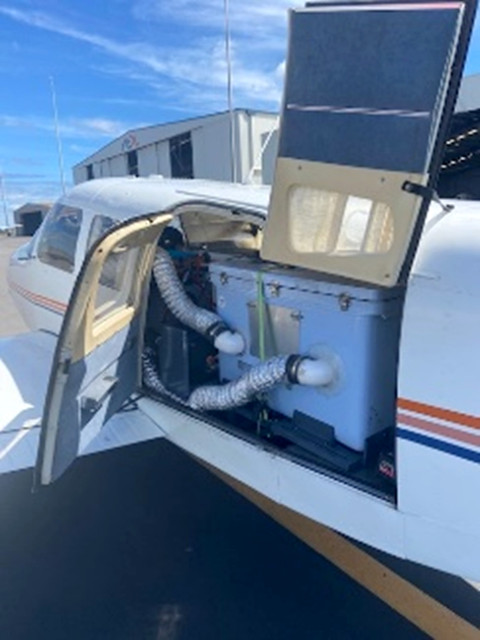
SIT fruit flies are either released using an aeroplane or a vehicle on the road.
For an aerial release, the flies are put into a special cooled container, and released from the plane. The flies then float down to the area where they can do their job.
For a road release, they are put into a special container on the back of a utility vehicle and released through a chute.
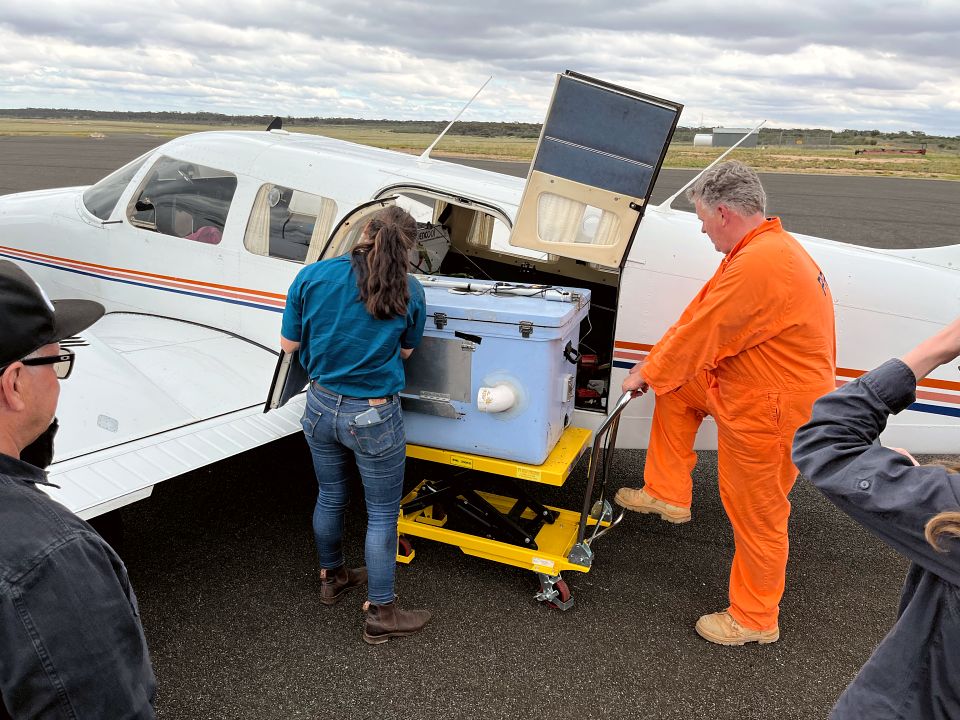
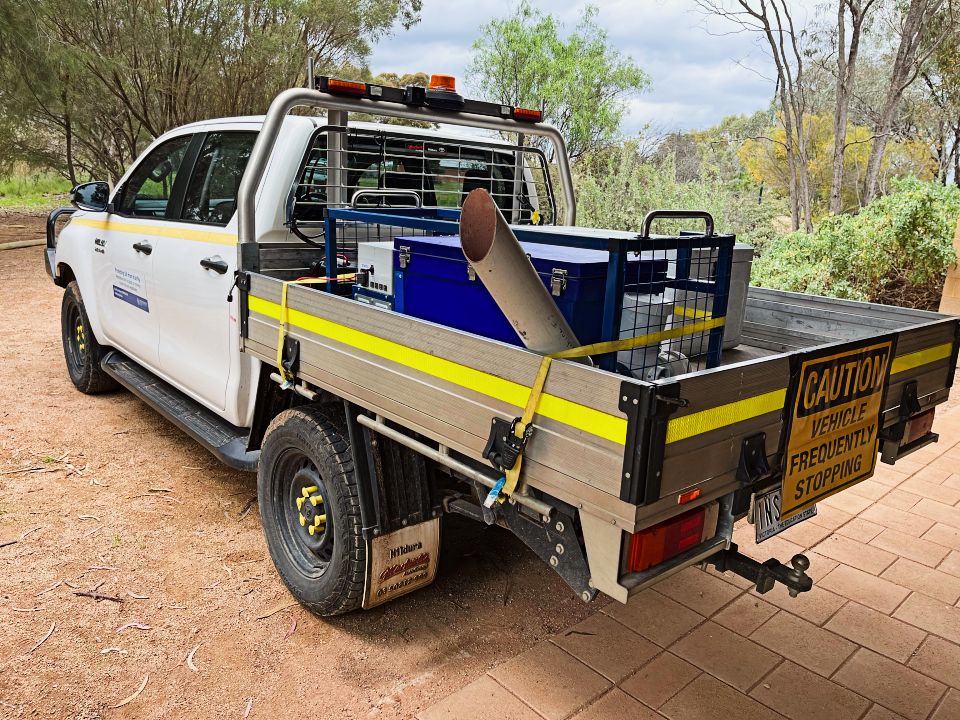
Watch footage from an aerial SIT release.
Recognising a sterile fruit fly
Sterile fruit flies are coated with a fluorescent dye before they leave the National SIT Facility – if you shine a blue light on these flies, the dye will glow. This dye marker identifies fruit flies that are caught in traps within outbreak areas as wild or sterile.
We can compare the number of SIT flies trapped with the number of wild fruit flies. We then compare that with the numbers from previous wild fruit fly catches, to can see how the SIT population is impacting wild fruit fly populations.
We use this information when deciding if we need to take action to fight wild fruit flies where the fly was found.
SIT facility
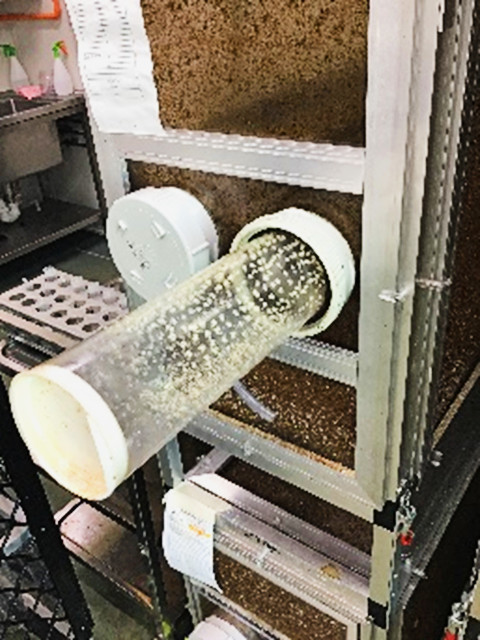
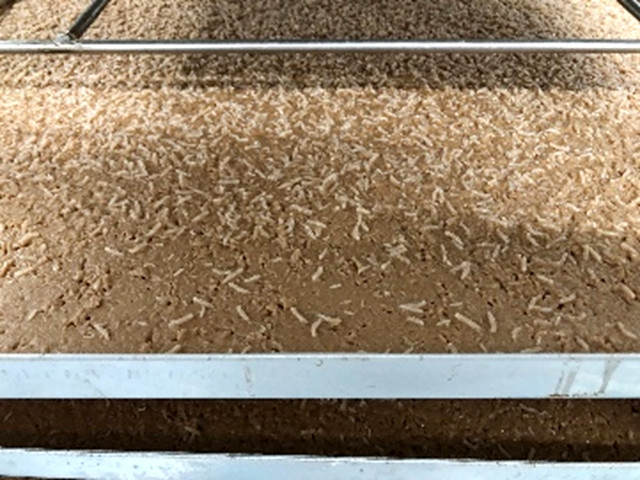
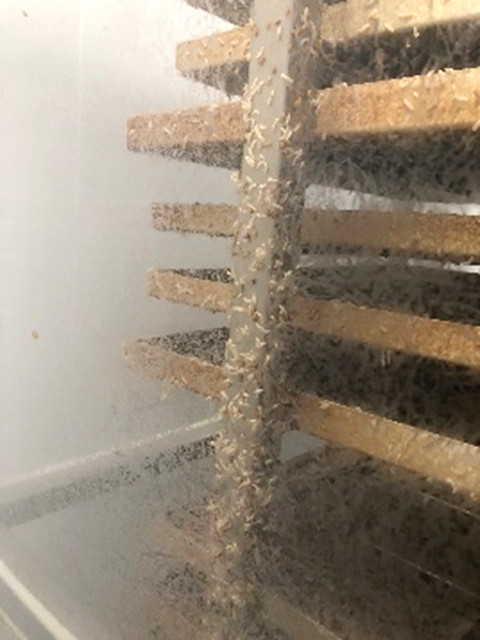
PIRSA's national SIT Facility in Port Augusta was designed to breed and sterilise up to 20 million fruit flies per week when it first opened in November 2016.
On 6 September 2023, the facility expanded to double the production of sterile Queensland fruit flies to 40 million flies per week, and was opened by Hon Geoff Brock MP.
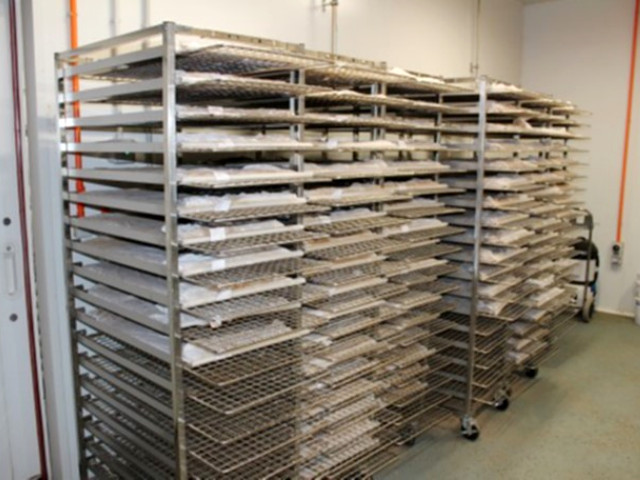
The expansion included an addition of separate rooms for each stage of the fruit fly life cycle, with different temperature and humidity controls to optimise breeding and growth.
This was funded under the Australian Government's $30 million national Building Resilience to Manage Fruit Fly Package, and by PIRSA and Citrus SA.
Breeding process