


Gardening for good in the fight against fruit fly
Wednesday 4 November 2026
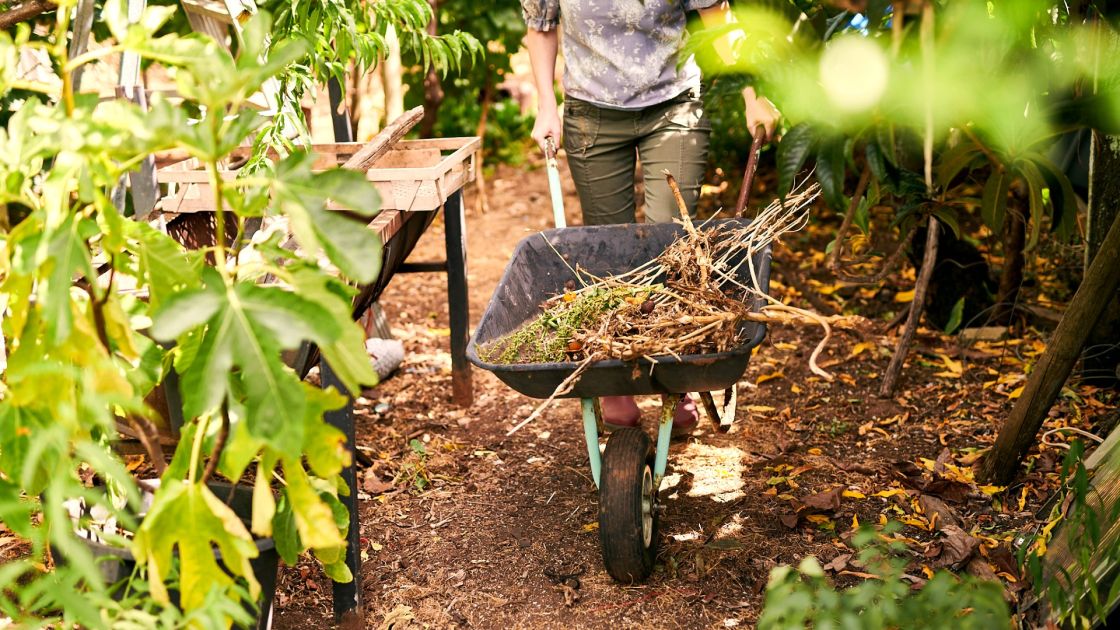
Give your fruit trees and gardens a spring tidy as warmer weather brings renewed attention to Queensland fruit fly – one of the world’s most damaging horticultural pests and a significant threat to South Australia’s $1.3 billion horticultural industry at risk of fruit fly.
The Department of Primary Industries and Regions SA (PIRSA) says a few simple actions around the garden can make a big difference in the fight against fruit fly.
“Fruit fly is a prolific breeder,” said Jason Size, General Manager of PIRSA’s Fruit Fly Response. “It uses fruit to lay eggs, which hatch into maggots. When infested fruit falls to the ground, maggots emerge and bury into the soil, where they develop into pupae and later emerge as adult fruit fly.”
Mr Size suggests property owners take a few minutes each day to pick ripe fruit and collect any fallen fruit.
“This time of year, we’re mainly talking about loquats, mulberries, remaining Navels and oncoming Valencia oranges”,
“If you can’t reach all the fruit on your tree, prune it back to a manageable height – now's the time to prune citrus and anything else that's finished fruiting. Prune your stone fruit immediately after you’ve picked your summer crop. If you don’t use the fruit at all, consider replacing the tree with a non-fruiting plant. And remember to check any fruit-bearing trees used for boundaries or windbreaks,” said Mr Size.
Mr Size also encourages residents to keep their gardens tidy, including around ornamental plants, native vegetation and grasses, which can provide shelter for fruit flies.
“Now is the right time to get into the habit of checking your garden. You might not think your single garden makes a difference, but believe me every property matters when we’re talking about fruit fly.”
“Everyone in SA can feel good about playing their part in protecting our fruit growers, as well as the communities where they live and work.”
Five steps for a spring garden check
1. Pick excess or unwanted fruit
Pick ripe fruit promptly. Some fruits (not citrus) can be picked early and left to ripen inside. If you suspect fruit fly, seal the fruit in a plastic bag and call the 24-hour Fruit Fly Hotline on 1800 666 010.
2. Collect fallen fruit
Regularly collect fallen fruit and dispose of it in your green bin, unless you suspect fruit fly. In a red fruit fly outbreak area, do not compost fruit fly host produce.
3. Prune trees to a manageable height
If you end up with too much fruit each year, don’t use the fruit, or can’t reach it all, prune your trees so that you only grow what you need and can pick all the fruit.
4. Know your boundaries
Remember to check trees used on boundary lines, as windbreaks or for shelter. This can include olive, plum and citrus trees.
5. More than just fruit trees
Fruit fly also targets berries and fruiting vegetables including tomato, capsicum, eggplant and chilli, so keep an eye on these plants as the season progresses.
Know what to do if you suspect fruit fly
Community cooperation remains an important part of South Australia’s fruit fly response. Residents who notice suspicious fruit damage or suspect fruit fly should seal the item in a plastic bag or container and call the 24-hour Fruit Fly Hotline on 1800 666 010.
For the latest fruit fly outbreak information, produce at risk and movement restrictions, and host fruit disposal advice, visit fruit fly.
Current fruit fly outbreak end dates
As of Monday 2 November 2026, the end dates for all fruit fly outbreaks in South Australia are:
- Riverland: 21 January 2027
- Elizabeth East: 12 December 2026
Contact
PIRSA Family and Business (FaB) mentors are available to support Riverland residents through this challenging time. FaB mentors are available for free, informal, confidential, and independent conversation in person or over the phone.
Riverland and Murraylands FaB mentors include Robyn Cain (0411 633 085), John Chase (0419 848 672), and Brent Fletcher (0439 409 430). Learn more at fabs or call the FaB mentors directly.